The Unbreakable Boy: A Powerful Statement on Inclusion and Belonging
In a time when efforts to promote inclusion and accessibility are facing heightened resistance, The Unbreakable Boy arrives as a film with a timely and vital message

Opening in theaters nationwide this Friday, The Unbreakable Boy tells a deeply human story that champions acceptance, empathy, and the importance of embracing differences. In a cultural moment where discussions around diversity and inclusion are becoming increasingly polarized, this timely new film serves as a poignant reminder of why these values matter.
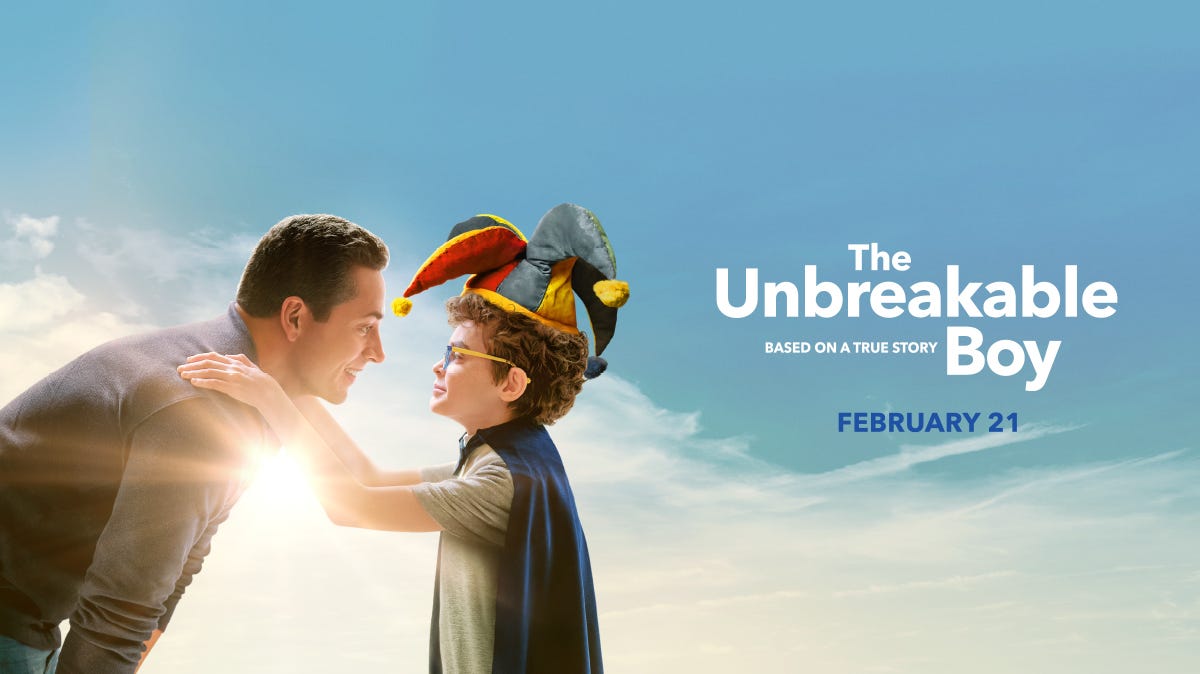
At its core, The Unbreakable Boy tells the true story of Austin, a young boy with both a rare brittle bone disease and autism, whose unwavering joy and optimism profoundly shape those around him. Rather than focusing on obstacles, the film beautifully captures his infectious spirit, showing how his family and community are transformed by his perspective on the world. It’s a narrative that moves beyond conventional portrayals of disability, offering instead an authentic meditation on the power of love, hope, and human connection.
A central part of this transformation is experienced through Austin’s father, played by Zachary Levi. Initially struggling to understand and fully embrace Austin’s unique worldview, he embarks on an emotional journey that reshapes his understanding of fatherhood, resilience, and love. As he learns to see the world through his son’s eyes, he discovers a deeper sense of purpose and connection, illustrating how inclusion and acceptance enrich not just the lives of those with disabilities, but also those who love and support them. His evolution is a testament to the film’s core message—that true transformation happens when we open our hearts and minds to perspectives different from our own.
For audiences who seek stories that explore the human experience in a way that feels both urgent and inspiring — or as we often say, “smart & soulful” — The Unbreakable Boy delivers a message that is more important than ever. At a time when DEI initiatives are under scrutiny and the rights of people with disabilities are often overlooked, this film challenges viewers to consider the real-world implications of inclusion—not as a political statement, but as a fundamental human principle. It asks us to see the world through a lens of compassion and to recognize the dignity in every person, regardless of their abilities.
What makes The Unbreakable Boy so compelling is its ability to tell a deeply personal story while underscoring the universal importance of belonging. The film does not lecture or impose ideology; instead, it invites audiences to witness the transformative power of radical acceptance. It reminds us that inclusion is not an abstract concept—it is a lived experience that shapes communities, families, and individual lives.
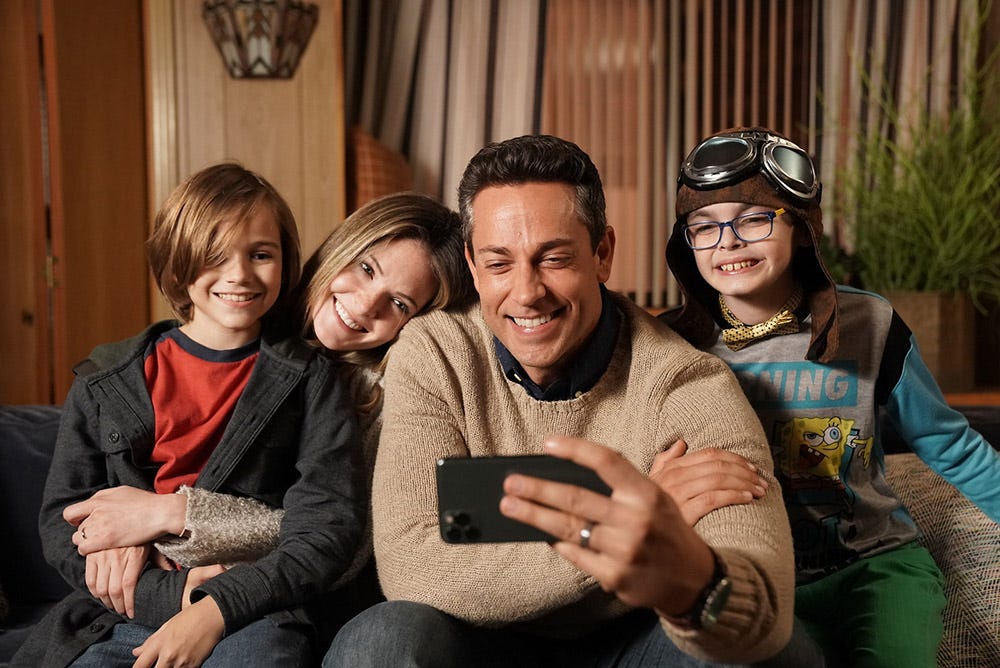
As The Unbreakable Boy opens nationwide, it stands as more than just an inspiring film. It is a timely cultural statement, a beacon of hope in a moment when division threatens to overshadow empathy. For those who believe in the power of storytelling to challenge perspectives and bring people together, this is a film that demands to be seen.